Available January 2027 · Planned ViScan booth operation and live demonstration at CES 2027
Abstract
What this portfolio shows
This page connects the engineering question, system architecture, implementation, measurements, figures, code, and follow-up work behind each project. The same reading order is used for research projects, conference papers, coursework, technical notes, and external training so that a visitor can move from the question to the actual output without searching through separate archives.
Radar · Vision AI · Sensor FusionEmbedded SystemsFPGA RTL · DVRF · PADS · Control
YuNet/SFace, MediaPipe Pose, low-light/occlusion/multiple-person checks, BGT60TR13C presence and distance, camera–radar fusion, and fail-safe state gating.
Public details will be expanded after disclosure
Methodology
A shared engineering workflow
01Question
Define the signal, interface, constraint, and failure condition.
02Architecture
Separate sensing, processing, communication, control, and outputs.
03Implementation
Build firmware, RTL, signal processing, models, and UI paths.
04Verification
Use synchronized data, reference models, regression, and failure tests.
05Communication
Publish figures, code, papers, reports, and reproducible links.
The common problem-to-evidence workflow used across the portfolio.
Results
Results visible without leaving the page
600 sECG·SCG·Radar concurrent acquisition848Aligned cardiac beats20 / 26 / 3FPGA regression checks and scenarios0.99 / 0.992PPG-HRV paper abstract AUC / F13Conference papers, including two first-author papersCES 2027Planned ViScan booth operation and live demonstration
Image Gallery
Hardware, architecture, and result views
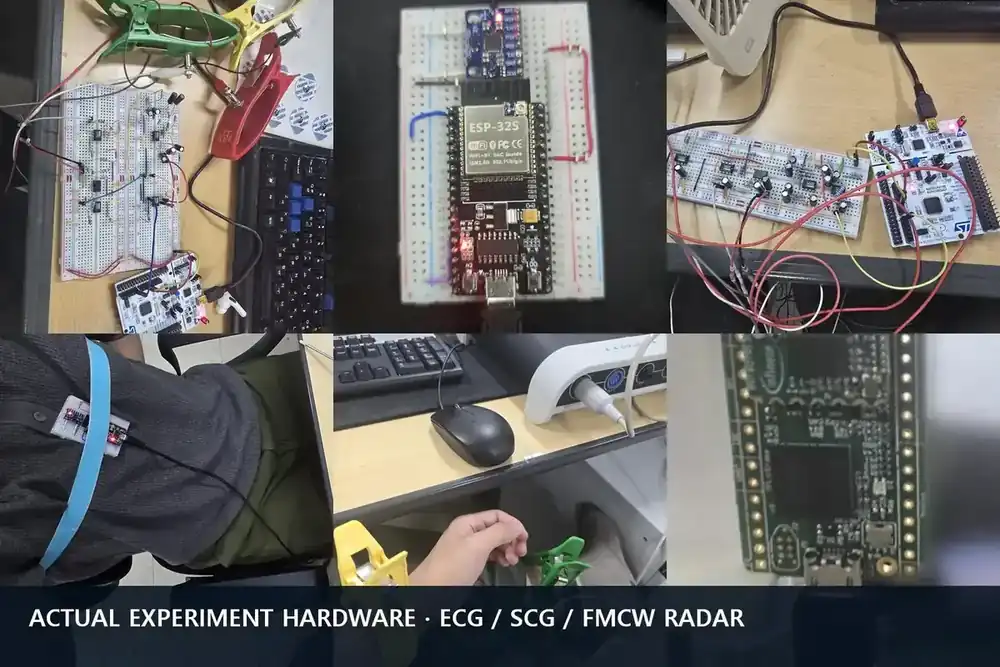
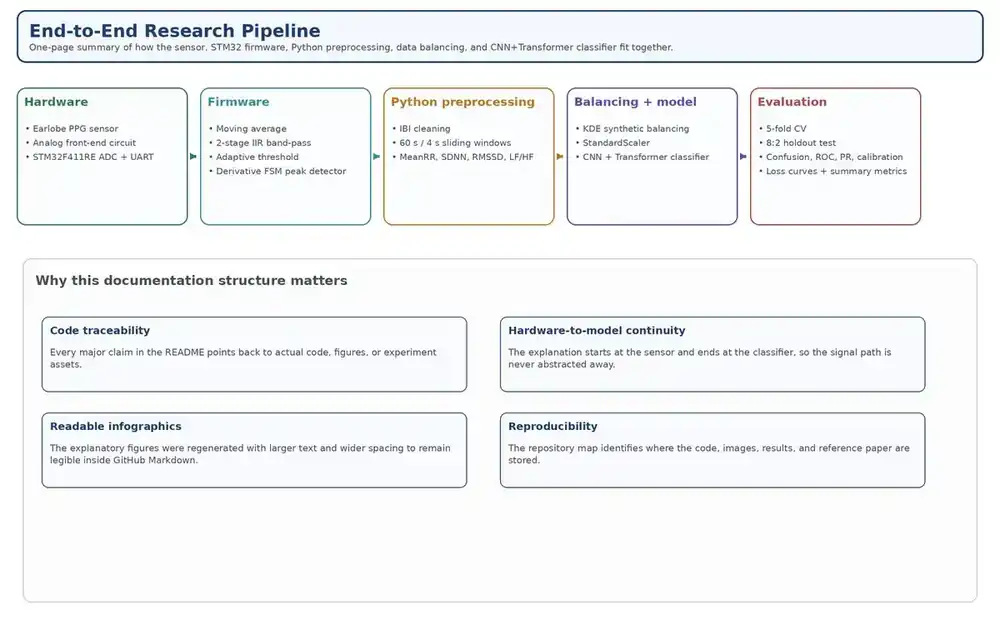
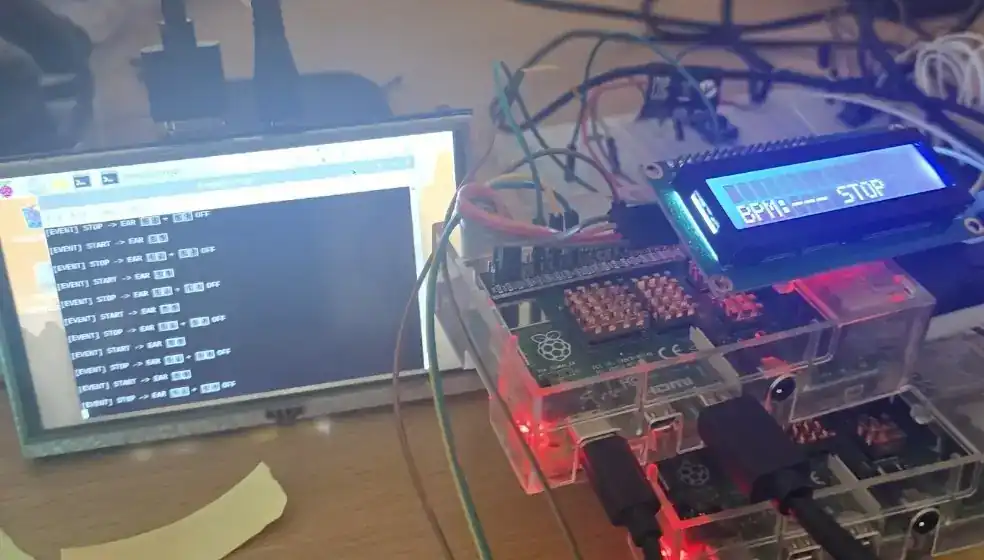
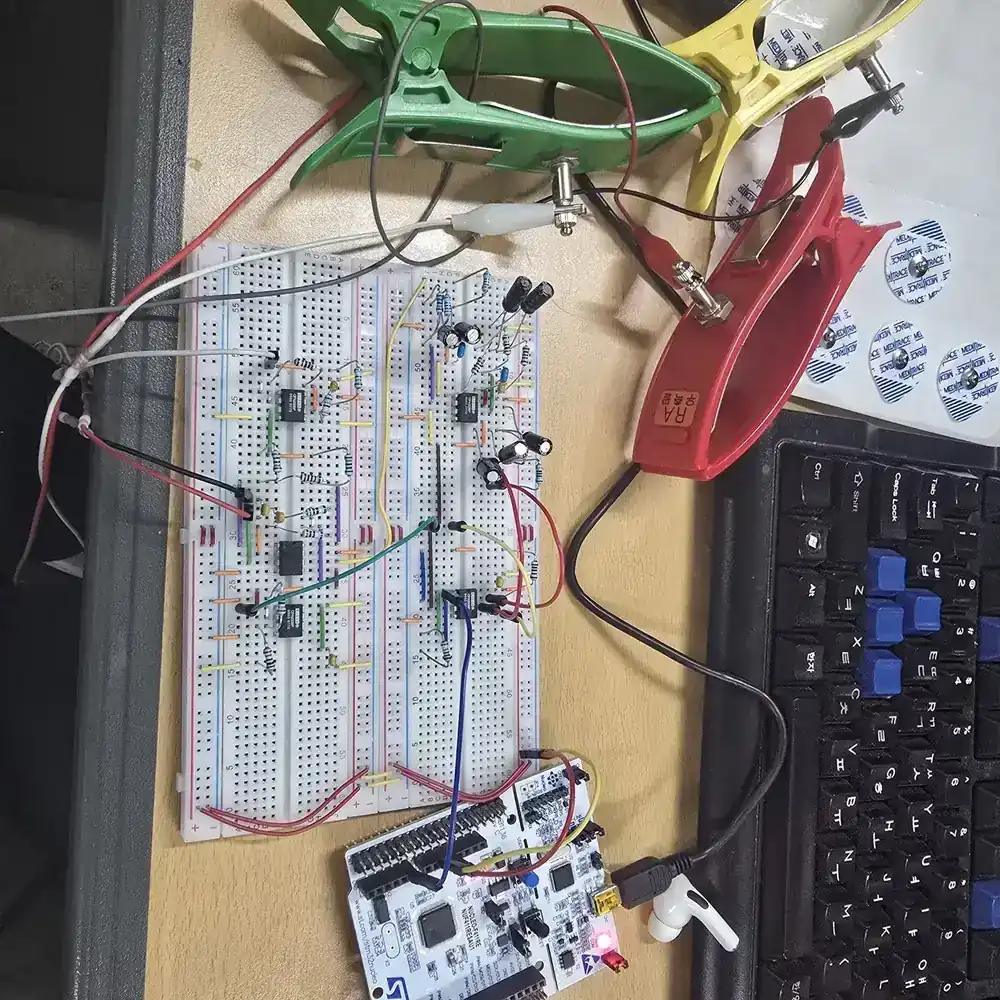
Hardware used for concurrent ECG, SCG, and radar acquisitionPPG acquisition, IBI/HRV preprocessing, and model-evaluation architectureProject 1 · Actual GTKWave detail · 2026-09-16Contact sheet of the prototype, LCD, sensor wiring, and source views
Where a publication-style architecture figure is missing, the site uses a source-based SVG/HTML diagram first. Final figures are published only after their labels, arrows, components, and values match the underlying material.