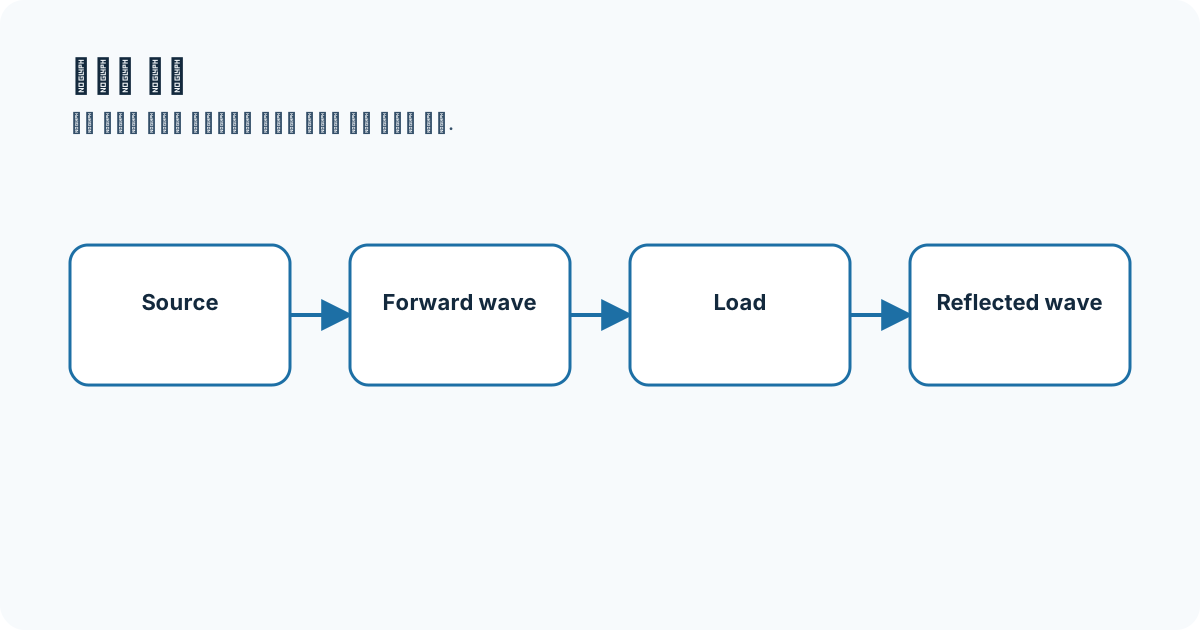
Starting RF Study: Wavelength and Electrical Length
I started by asking why RF is more than a label for high frequency. When physical size is no longer negligible relative to wavelength, phase and reflection must be tracked along position.
RF · Microwave Series
A study path from wavelength and electrical length through 50 ohms, transmission lines, reflection, S-parameters, and decibels.
I started by asking why RF is more than a label for high frequency. When physical size is no longer negligible relative to wavelength, phase and reflection must be tracked along position.
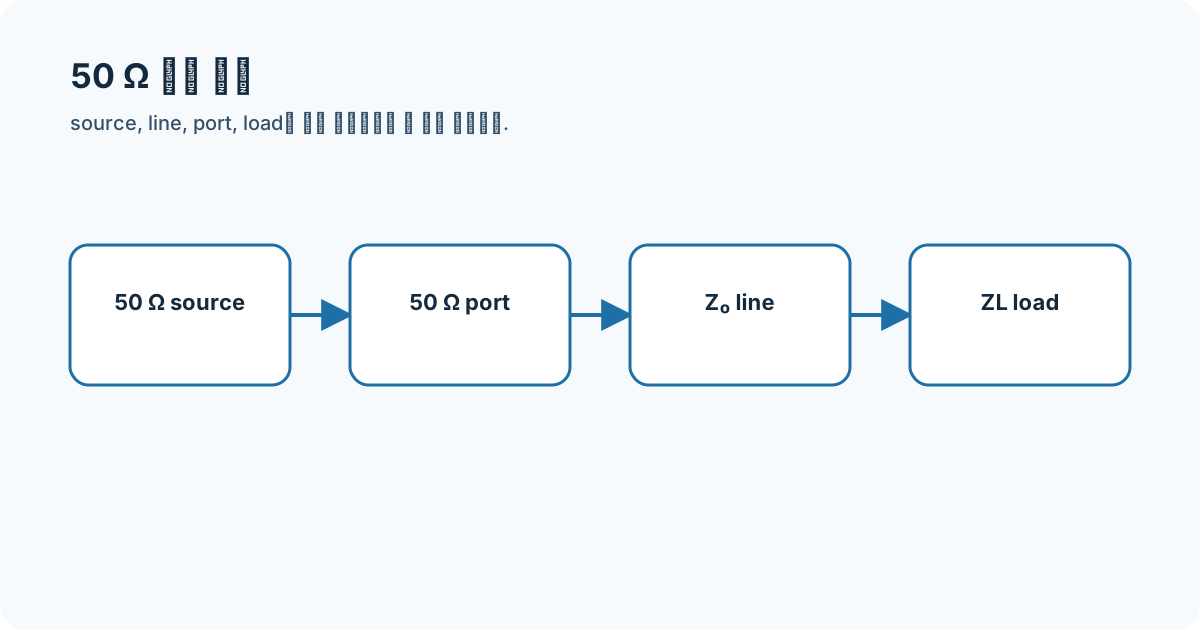
Memorizing 50 ohms, ports, and matching separately made S-parameter setups confusing. I drew the source-line-load reference planes first and connected all three terms on one path.
Instead of listing line names, I compared each structure by return path, field confinement, mode, and fabrication variables.
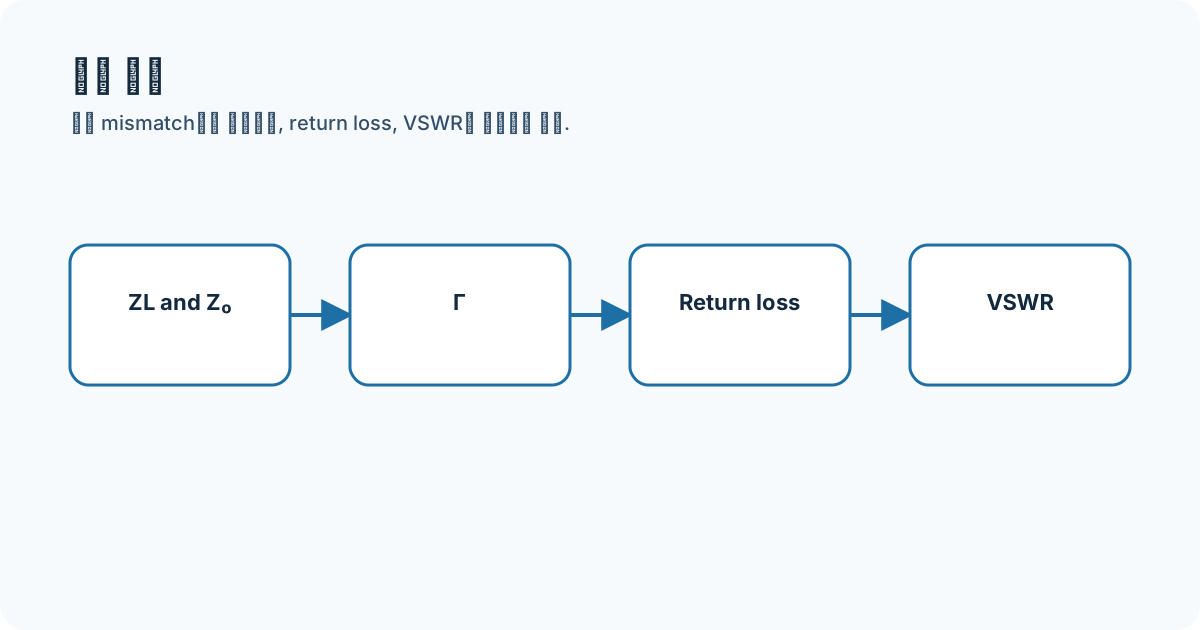
I rewrote the conversion order so that sign conventions and ratios are not mixed when one mismatch is expressed three ways.
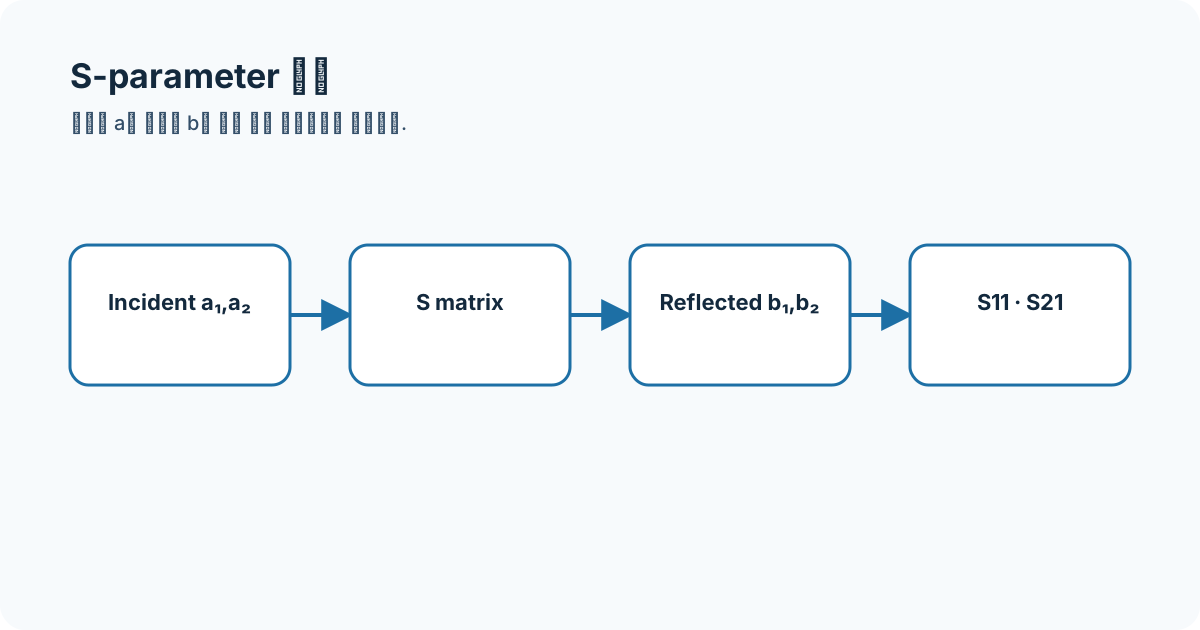
I relabeled S11, S21, S31, and S23 by excitation and observation ports rather than treating them as curve names.
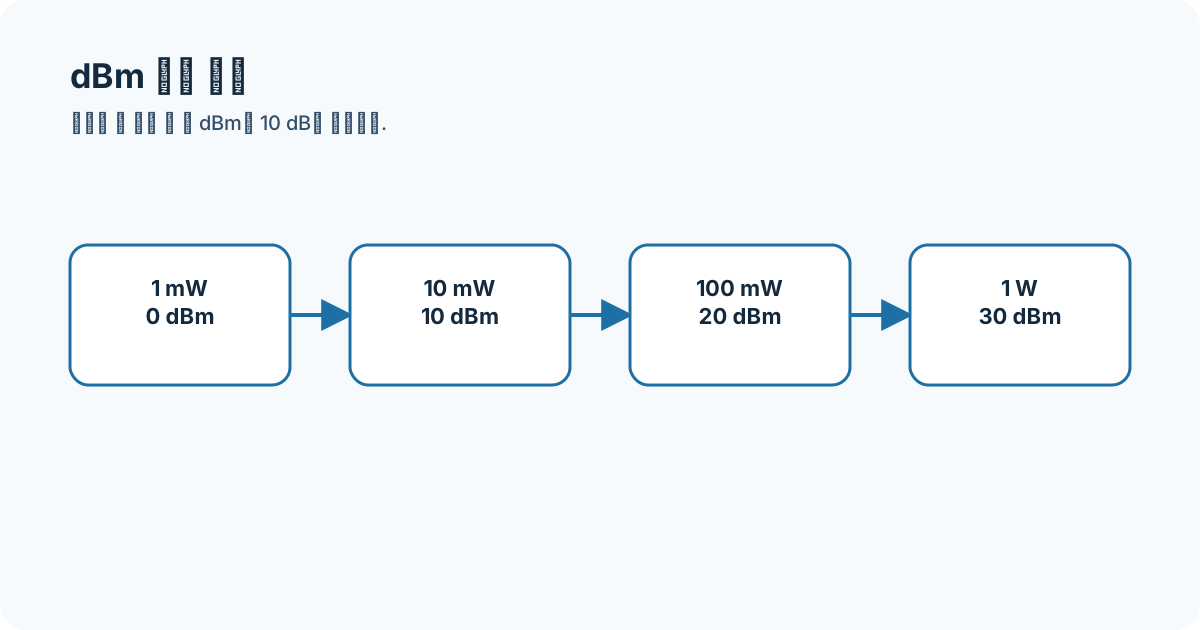
I write the reference and unit first to avoid mixing a dB ratio with absolute dBm power.